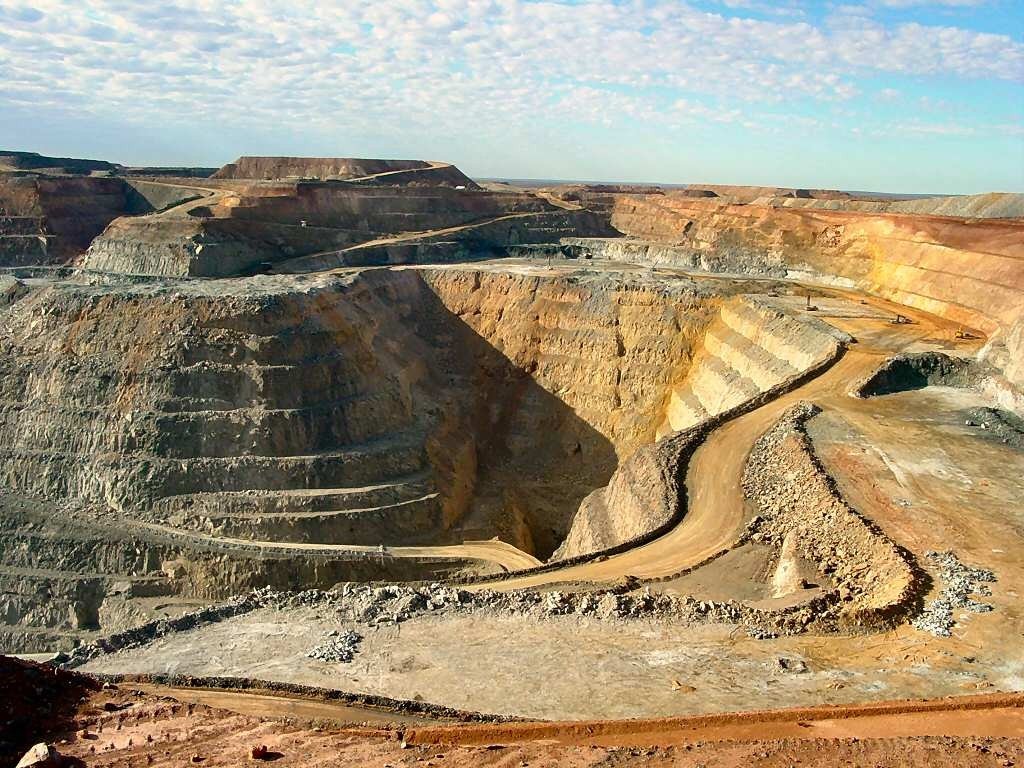

South Sudan’s gold sector is transitioning from informal artisanal activity to a regulated export market. For investors this presents opportunity but only if they understand the country’s evolving legal framework documentation requirements and logistical realities. Unlike mature markets like Ghana or South Africa South Sudan requires extra due diligence patience and partnership with compliant local operators. This guide outlines what international buyers must know before sourcing gold from this emerging jurisdiction.
The Regulatory Landscape Is Evolving
South Sudan governs gold exports through joint oversight by the Ministry of Mining and the Ministry of Trade. All exporters must hold dual licenses one from each ministry and maintain tax compliance certification. Small scale miners must register with county authorities in Central Eastern or Western Equatoria the country’s primary gold producing regions. While the system is less mature than in other African nations it is actively formalizing. The government now rejects unlicensed exports and is building capacity to enforce chain of custody standards.
Source Verification Is Non Negotiable
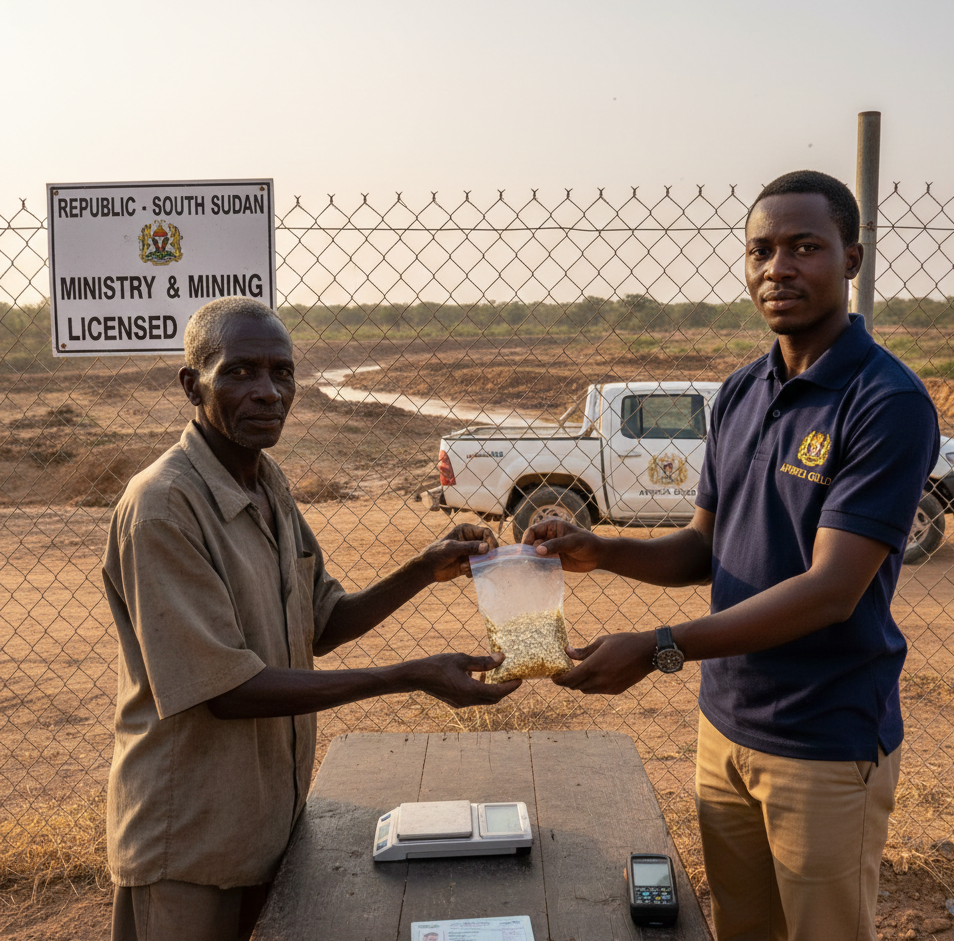
Gold originates almost entirely from artisanal miners working riverbeds in Equatoria. Investors must ensure their supplier sources only from registered miners with valid county registration cards. At secure collection points material is weighed sealed and documented with GPS coordinates date and miner ID. This forms the first link in the chain of custody. Never accept material without verifiable source documentation unregistered gold cannot legally export and will be rejected by refineries.
Assay Testing Through Recognized Channels
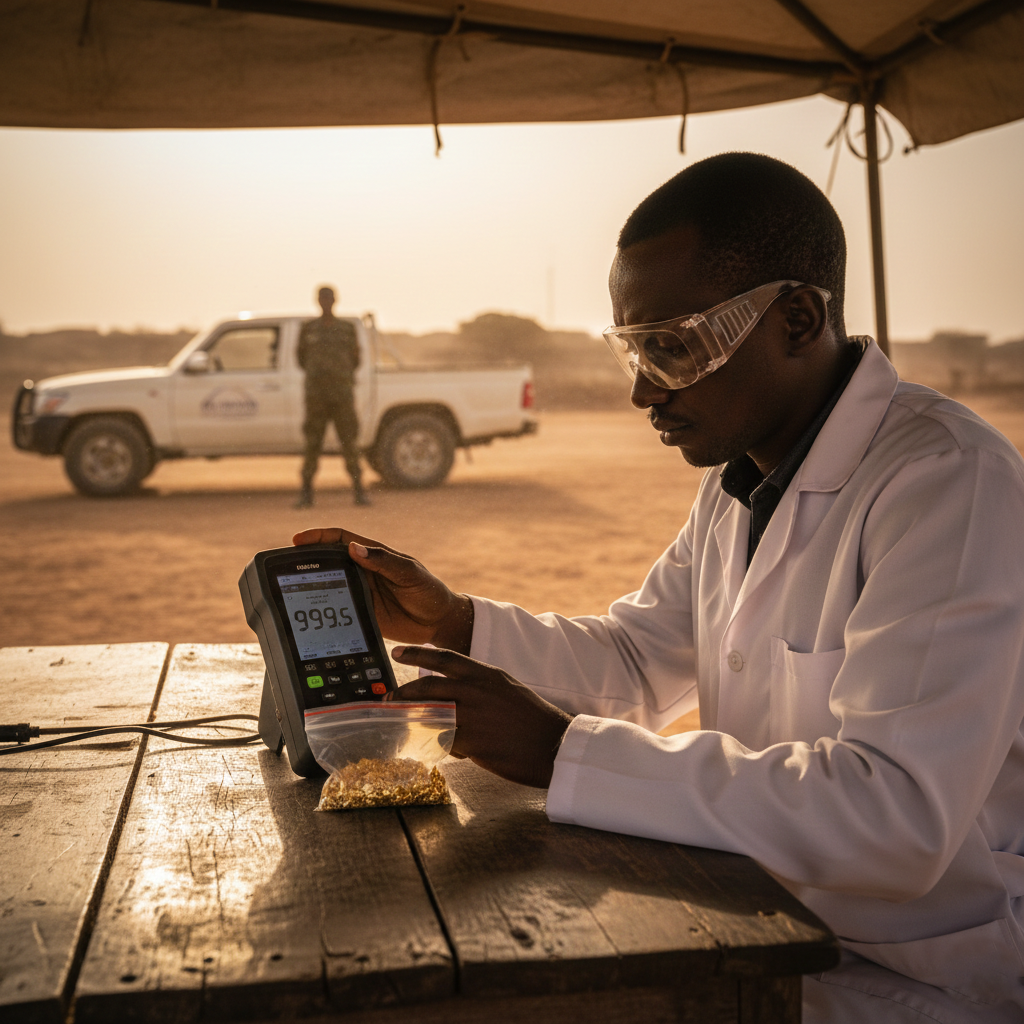
South Sudan currently relies on mobile accredited units or Dubai linked laboratories for export valid assay testing. The Ministry of Mining recognizes reports from ISO 17025 accredited labs with verified presence or partnerships in the region. Certificates must include weight fineness serial number lab accreditation and authorized signature. Fire assay is preferred though XRF is used for preliminary screening. Reputable exporters coordinate testing directly and share reports with buyers before permit application.
Dual Ministry Permit Process
Exporters submit full documentation packages to both the Ministry of Mining and Ministry of Trade. Required documents include: accredited assay certificate copy of dual licenses proof of tax compliance miner registration details and commercial invoice. Both ministries review applications jointly verifying source legitimacy and cross checking data. Permits are issued only after dual approval a process that typically takes 5 to 7 business days. The permit references the assay certificate and must accompany the shipment through customs.
Air Freight via Juba to Dubai
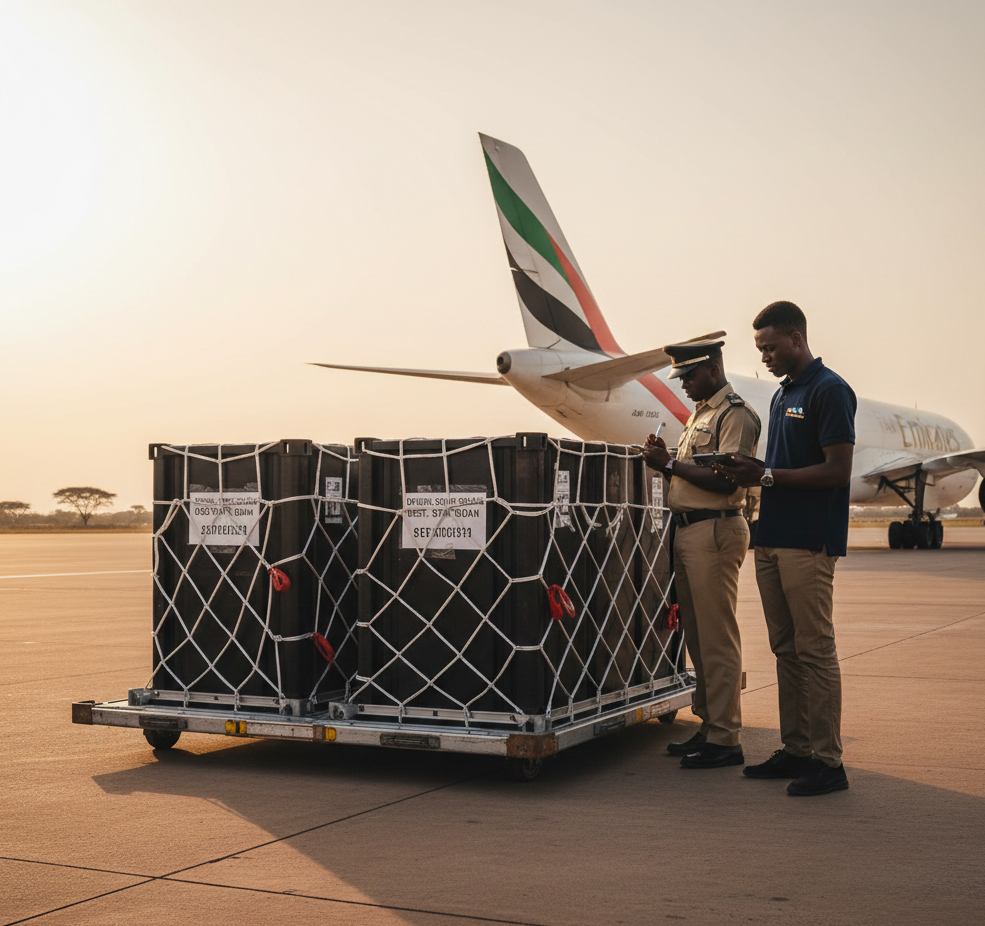
Cleared shipments move to Juba International Airport for customs inspection. Officials verify physical material against documentation checking weight serial numbers and seals. Once approved gold is loaded onto direct flights to Dubai the primary destination for South Sudanese gold. Air waybills include detailed descriptions seal numbers and consignee details. Insurance is mandatory. Reputable exporters provide real time tracking and seal photographs throughout transit enabling buyer verification upon arrival.
Key Risks and Mitigation Strategies
The main risks in South Sudan include documentation delays regulatory changes and logistical constraints. To mitigate these investors should:
- Partner only with exporters holding active dual ministry licenses
- Insist on full chain of custody records from miner to airport
- Use escrow or bank guarantee payment structures
- Avoid full advance payments before permit issuance
- Require real time shipment updates and seal photographs
Patience and professionalism yield results rushing invites error.
Why AFRICA GOLD Is a Trusted Partner
Since 2015 AFRICA GOLD has operated in South Sudan with active dual ministry licenses. The company sources only from registered miners in Equatoria conducts in person verification manages assay coordination and secures permits directly. Their Juba to UAE trade corridor operates with consistent compliance and zero rejections. For international buyers this means South Sudanese gold arrives not as a gamble but as a documented asset.
Conclusion
South Sudan’s gold market offers significant potential for informed investors. While the regulatory framework is still maturing the government’s commitment to formalization is clear. Buyers who exercise due diligence partner with compliant local operators and respect procedural timelines can access a growing supply source with strong fundamentals. In this emerging market professionalism is the key to sustainable success.
africa-gold.com
sales@africa-gold.com