


Understanding Gold Export Procedures in Africa
Africa holds approximately 30 percent of the world’s known gold reserves, making it a cornerstone of the global precious metals supply chain. Yet navigating the continent’s gold export landscape requires more than market knowledge—it demands precise adherence to regulatory frameworks, logistical expertise, and established relationships with legitimate supply sources. For international buyers seeking reliable access to African gold, understanding these procedures is essential to securing consistent, compliant supply.

The African gold trade operates within a complex ecosystem of artisanal miners, licensed small-scale operations, and industrial mines. Unlike commodity markets in more developed regions, African gold sourcing often involves direct engagement with local producers who operate under national mining codes that vary significantly by country. Export procedures typically require proof of legal origin, payment of export duties, completion of customs documentation, and certification from government assay offices. These steps exist to combat illicit trade and ensure revenues benefit producing nations—objectives that responsible exporters support through transparent practices.
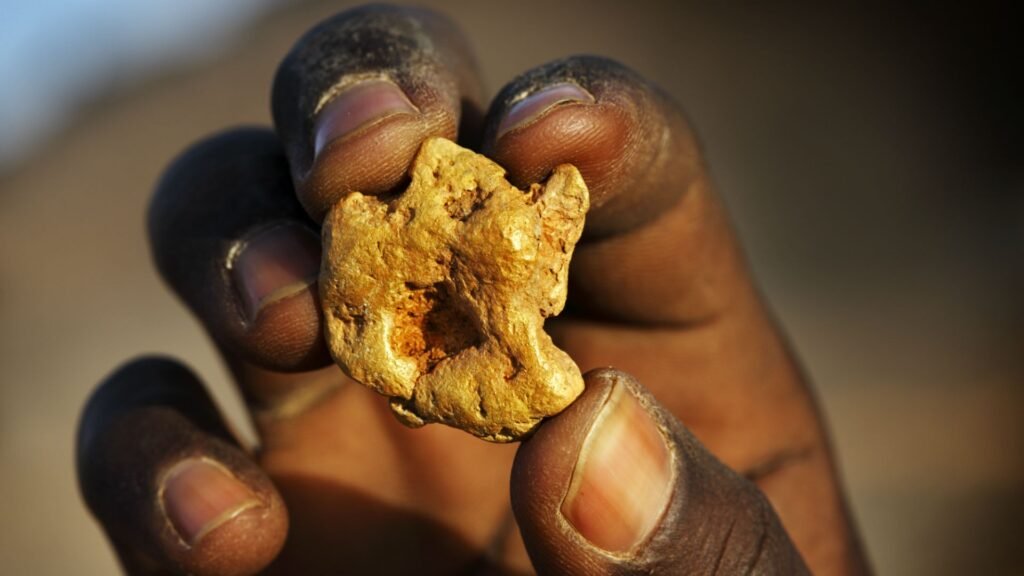
Ghana, South Africa, and South Sudan represent three distinct models within Africa’s gold sector. Ghana maintains a well-structured regulatory environment where the Precious Minerals Marketing Company oversees formalization of small-scale production. South Africa’s industry is dominated by deep-level industrial mines operating under stringent compliance standards. South Sudan presents emerging opportunities where artisanal production is increasingly integrated into formal export channels through licensed aggregators. Each jurisdiction requires specific documentation—Ghanaian exports demand LBMA-accredited assay certificates, South African shipments require SARS customs declarations, and South Sudanese exports necessitate mineral origin verification from the Ministry of Mining.
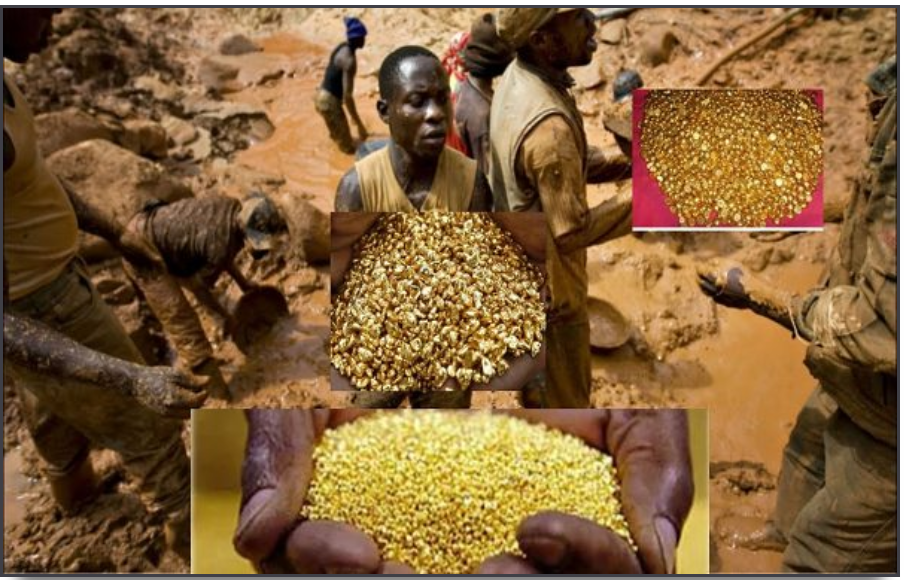
AFRICA GOLD has operated within this landscape since 2015, establishing procurement networks across Ghana, South Africa, and South Sudan. The company’s approach centers on direct acquisition from licensed miners and authorized local traders, eliminating speculative intermediaries that complicate chain-of-custody verification. This model enables consistent supply while maintaining compliance with national regulations and international due diligence standards including the OECD Due Diligence Guidance for Responsible Supply Chains. Operations extend to the United Kingdom, facilitating European market access and financial settlement infrastructure.
The export process begins with physical verification at source. Gold is weighed and sampled under dual supervision before transport to government assay offices in each operating country. In Ghana, this means submission to the Precious Minerals Marketing Company laboratory; in South Africa, testing occurs at LBMA-certified facilities; in South Sudan, verification happens through ministry-approved channels. Upon certification of purity and weight, export permits are secured from relevant mineral authorities. Documentation then proceeds through customs declaration, with shipments moving via insured, tracked transport to international airports or seaports. All exports comply with the Kimberley Process certification principles adapted for gold, ensuring transparent origin documentation.
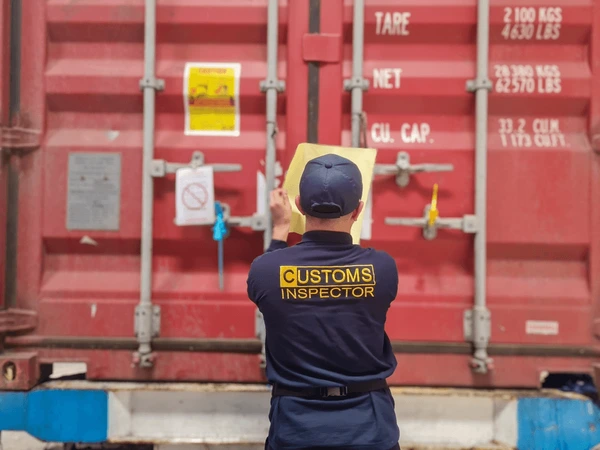
Global demand continues driving African gold exports toward established refining centers. The United Arab Emirates has emerged as a primary destination for West and East African production due to its refining capacity and strategic location. The United States maintains steady demand for investment-grade gold, while Chinese refineries seek consistent feedstock for jewelry manufacturing and reserve accumulation. European markets prioritize material meeting LBMA Good Delivery standards, creating demand for properly documented African supply. These trade flows reflect not only price differentials but also the growing importance of verifiable provenance in precious metals markets.
Buyers partner with established African exporters to mitigate three critical risks: supply inconsistency, documentation deficiencies, and chain-of-custody gaps. AFRICA GOLD addresses these through permanent field offices in mining regions, direct relationships with licensed producers, and in-house logistics coordination. The company maintains real-time visibility from acquisition through final export, providing buyers with documentation packages that satisfy international compliance requirements. This operational transparency reduces settlement delays and eliminates disputes over material specifications—factors that impact both cost and reliability in precious metals trading.

The future of African gold exports hinges on formalization. Countries increasingly recognize that structured export channels generate sustainable revenue while reducing illicit outflows. Companies that invest in local compliance infrastructure position themselves as preferred partners for both governments and international buyers. This alignment of regulatory adherence and commercial reliability defines the next phase of Africa’s gold trade—one where documentation integrity carries equal weight to physical product quality.
For gold buyers, refineries, and institutional investors seeking dependable African supply, verification of an exporter’s operational footprint matters more than promotional claims. Direct engagement with companies demonstrating multi-jurisdictional experience, transparent procurement practices, and established export track records provides the foundation for sustainable partnerships in this vital market.

Understanding Africa’s gold export procedures reveals a landscape where compliance and commercial success are inseparable. Those who navigate this environment with respect for regulatory frameworks and local operating conditions secure not only material supply but also the trust essential for long-term market participation.
africa-gold.com
sales@africa-gold.com