


What International Buyers Should Know Before Importing African Gold: Due Diligence, Documentation, and Supply Chain Integrity
African gold accounts for roughly one-fifth of global annual production, flowing through channels ranging from industrial mines with established offtake agreements to artisanal operations requiring specialized aggregation. For international buyers—refineries, commodity traders, and institutional investors—accessing this supply presents opportunity alongside operational complexity. Success hinges not on price alone but on navigating jurisdictional variations in regulatory frameworks, implementing rigorous due diligence protocols, and verifying unbroken chain of custody from point of recovery through export. Buyers who treat African sourcing as a transactional exercise often encounter documentation gaps, customs delays, or compliance exposures. Those who prioritize partners with permanent field presence and systematic verification protocols build resilient supply relationships capable of withstanding regulatory scrutiny in destination markets.
Industry Context
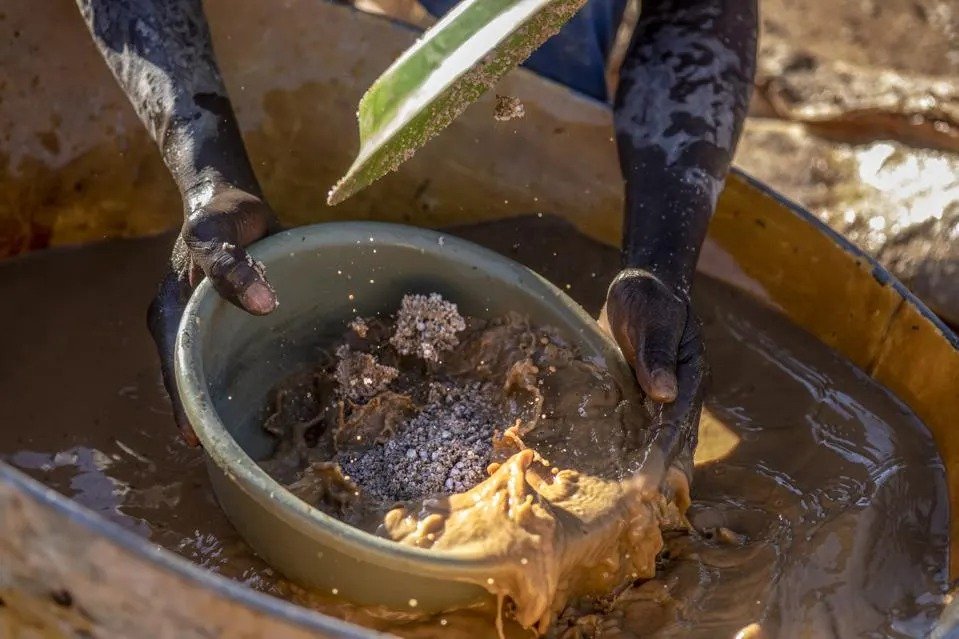
Africa’s gold sector operates through two distinct channels. Industrial producers typically maintain long-term contracts with major refiners, leaving limited spot supply for independent buyers. The secondary channel—comprising licensed small-scale miners and registered aggregators—generates significant volume but demands specialized expertise to transform fragmented recovery into export-ready material. This segment requires systematic verification against international standards including the OECD Due Diligence Guidance for Responsible Supply Chains and, for European buyers, the EU Conflict Minerals Regulation. Material must be traceable to legally licensed operators with documentation supporting conflict-free status. Reputable exporters address these requirements through field-level acquisition protocols that verify seller identity, record recovery location coordinates, and maintain auditable custody records before material leaves the country of origin.

Regional Perspective
Regulatory environments vary meaningfully across major producing jurisdictions. Ghana maintains Africa’s most transparent export framework through the Precious Minerals Marketing Company, with relatively efficient permit processing for material accompanied by proper documentation. South Africa governs exports through the Department of Mineral Resources and Energy, requiring verification of legal title and assay certification before authorization. South Sudan presents a more complex operating environment where supply exists but demands enhanced due diligence protocols, rigorous origin verification, and close coordination with national authorities to ensure legal export. Buyers must recognize these jurisdictional differences: a documentation package sufficient for Ghanaian exports may not satisfy South Sudanese requirements, and vice versa. Successful sourcing requires partners with permanent operational presence across multiple jurisdictions—not centralized traders relying on intermediaries.

AFRICA GOLD’s Approach
Since its founding in 2015 with headquarters in South Africa, AFRICA GOLD has maintained permanent sourcing offices in Ghana, South Africa, and South Sudan, supported by trade coordination from its United Kingdom base. The company focuses on direct acquisition from miners holding valid licenses issued by relevant national authorities, eliminating speculative intermediaries that can obscure origin. Field teams verify documentation before conducting preliminary testing—including specific gravity analysis and visual inspection—at secure collection points. Material then transfers under armed escort to internationally accredited assay laboratories for fire assay confirmation. Every transaction generates documentation of origin: seller identification, license numbers, GPS coordinates of recovery sites, and transaction dates. This systematic approach creates auditable chains of custody satisfying both origin-country export requirements and destination-market compliance obligations.

Buying and Export Process
The workflow begins with field acquisition where local teams purchase material against immediate payment, establishing trust while securing legal title transfer. Material moves under secure protocols to consolidation facilities before transfer to accredited laboratories for precise purity determination. Upon receipt of assay certificates, comprehensive documentation packages are prepared including proof of legal acquisition, seller licenses, and transaction records. These support export permit applications submitted to relevant national authorities—the Minerals Commission in Ghana, Department of Mineral Resources and Energy in South Africa, or Ministry of Mining in South Sudan. Once permits are secured, gold transfers under armed escort to designated international airports. Shipments depart with complete documentation sets: assay certificates, export permits, commercial invoices, certificates of origin, and bills of lading. This structured approach minimizes handling risks while providing buyers with documentation necessary for smooth import clearance.

Global Demand Patterns
African gold supplies diverse international markets with varying compliance expectations. The United Arab Emirates has developed sophisticated infrastructure for processing gold from complex jurisdictions, making it a primary destination for material requiring further refining before redistribution. Chinese buyers emphasize consistent supply for jewelry manufacturing and strategic reserves, with documentation requirements focused on legal origin verification. European markets increasingly mandate compliance with the EU Conflict Minerals Regulation, requiring detailed supply chain transparency. United States importers prioritize material meeting LBMA Good Delivery standards or accompanied by documentation enabling efficient customs clearance under HS code 7108. These varied requirements necessitate flexibility in documentation preparation and logistics coordination—particularly regarding value declarations aligned with international benchmark pricing at time of export.

Why Buyers Partner with Established African Exporters
International buyers sourcing African gold prioritize three operational fundamentals that transcend price considerations. First, verifiable legal title documented through seller licenses, transaction records, and government-issued export permits. Second, consistent assay accuracy from laboratories accredited to international standards, ensuring settlement value reflects actual purity. Third, predictable execution through complex regulatory environments—material delivered on schedule with complete documentation packages that prevent customs delays at destination ports. Companies with permanent regional presence develop stable relationships with licensed miners, reducing supply volatility compared to spot-market traders. Their documentation protocols satisfy tightening global regulations while minimizing operational friction. For buyers, this translates into supply chain resilience: the ability to source consistently without compromising compliance obligations in increasingly regulated markets.

Conclusion with call to action
Importing African gold successfully requires moving beyond transactional relationships toward structured partnerships emphasizing transparency, documentation rigor, and operational discipline. Buyers should prioritize suppliers with demonstrable field presence across target jurisdictions, systematic verification protocols meeting OECD guidance, and experience navigating both origin-country export requirements and destination-market import regulations. Due diligence extends beyond the initial transaction to encompass the entire chain of custody—every handoff, test result, and regulatory approval must be documented and auditable. For refineries, commodity traders, and institutional investors seeking reliable supply from Ghana, South Africa, or South Sudan with full provenance records and regulatory compliance support, engagement with experienced operators provides the most efficient pathway to market access while managing supply chain risk.
Website: africa-gold.com
Email: sales@africa-gold.com